Key takeaways
- •Bilingual UAE sites need proper hreflang, lang attributes and RTL-ready layouts, not machine-translated duplicates.
- •Language switchers should preserve page context so users do not lose their place when switching.
- •Localised copy and performance-first builds improve both SEO and conversion in Dubai and Abu Dhabi.
Why bilingual websites matter in the UAE
The UAE is a multilingual market. Customers search in English and Arabic, often on mobile, and expect content in their preferred language. A site that serves only one language leaves visibility and revenue on the table.
Bilingual development is more than translation. It requires RTL layout, culturally appropriate copy, consistent branding and technical signals so search engines serve the correct language version. Done well, bilingual sites improve trust, time on site and qualified enquiries.
URL structure and hreflang
Choose a URL pattern and stick to it. Common approaches include language subdirectories (/en/ and /ar/) or subdomains. Each English page should have a matching Arabic counterpart where content exists.
Implement hreflang tags linking language alternates, set correct lang attributes on the HTML element, and use canonical tags to avoid duplicate content issues. Test with Google Search Console after launch.
Our technical SEO checklist covers hreflang validation and indexation checks for UAE sites.
RTL design and UX
Arabic interfaces read right to left. Mirror navigation, icons and form layouts where appropriate, but do not flip logos or media that should stay LTR. Typography, line height and button placement need RTL testing on real devices.
Language switchers should preserve context: switching from an English service page should land on the Arabic equivalent, not the homepage. Avoid auto-redirecting by IP alone without a clear user override.
Localisation, not literal translation
Effective Arabic content reflects how customers in Dubai and Abu Dhabi describe your services. Work with professional localisation or native copywriters rather than machine translation for customer-facing pages.
Meta titles, headings, schema and alt text should be localised where they affect search and accessibility. IGENTX clients such as Moduluxe Group improved organic visibility by ranking in both Arabic and English searches after a bilingual SEO-ready website launch.
Build on a performance-first stack
Next.js with static generation or ISR delivers fast bilingual pages at scale. Pair with a CMS that supports field-level translation workflows so marketing teams can update both languages without developer bottlenecks.
IGENTX web development in the UAE includes bilingual architecture, RTL theming and SEO setup. Book a free consultation to plan your English and Arabic site.
Need a bilingual website in the UAE?
IGENTX builds Arabic and English websites on Next.js with RTL support, hreflang and SEO foundations from day one.
Explore Web Development UAEIGENTX Digital Team
Digital Strategy & Engineering
The IGENTX Digital Team writes practical guides on web development, AI, SEO, vertical products and digital growth for businesses in the UAE and worldwide.
Related Articles
Web Development in the UAE: A Practical Guide
Planning and building high-performance websites for UAE businesses.
Local SEO in Dubai and the UAE
Google Business Profile, citations and bilingual local pages.
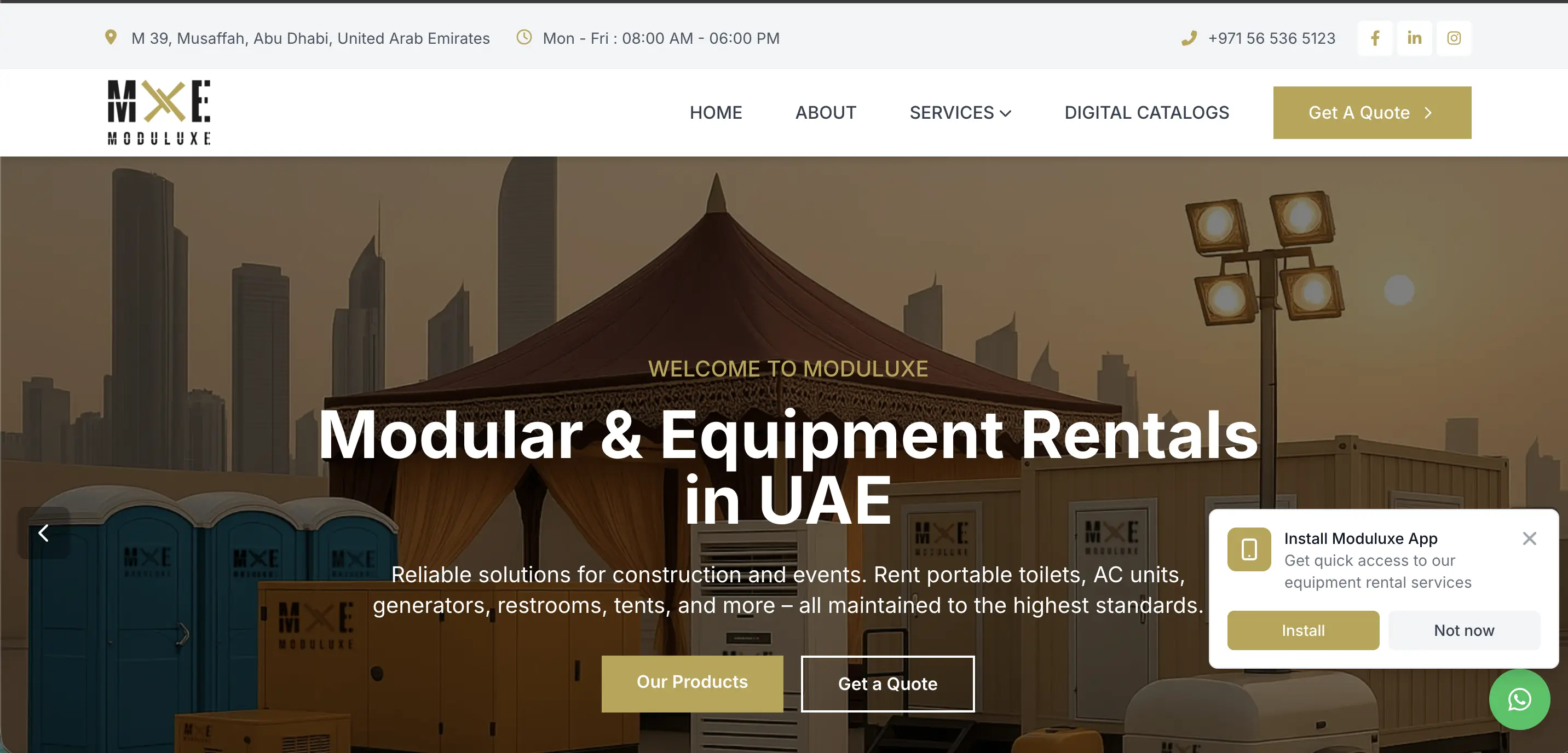
Moduluxe Group: 300% Organic Traffic Growth
Bilingual SEO and performance results for a UAE real estate brand.